

The Secret to Raising Emotionally Strong Children
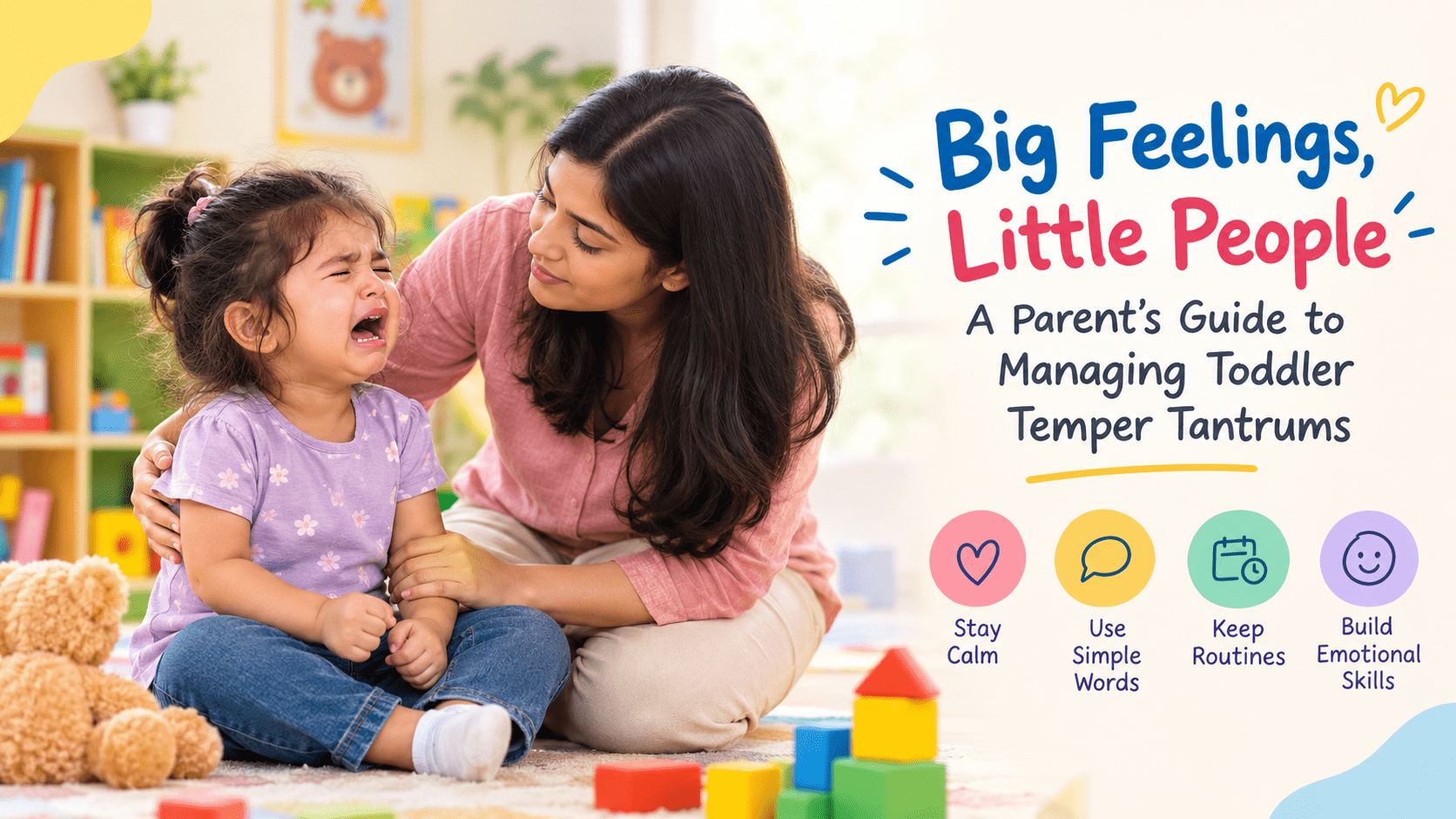
In today’s fast-paced world, academic success is often prioritized – but emotional intelligence is just as critical. Understanding your child’s emotions is not just about comforting them when they cry; it’s about shaping how they communicate, build relationships, and handle life’s challenges.
Parents who actively tune into their child’s emotional needs raise more confident, resilient, and socially aware individuals. Whether your child is a toddler or in preschool, emotional understanding lays the foundation for lifelong success.
Why Understanding Your Child’s Emotions Matters
1. Builds Strong Parent-Child Bonding
When children feel heard and understood, they naturally become closer to their parents. Emotional validation creates trust, making your child more likely to share their thoughts and feelings openly.
2. Enhances Communication Skills
Children who learn to express emotions clearly are better communicators. Instead of tantrums or silence, they develop the ability to explain how they feel.
3. Boosts Mental Well-being
Ignoring emotions can lead to stress, anxiety, or behavioral issues. On the other hand, emotionally supported children grow up with better mental health and coping mechanisms.
4. Improves Academic and Social Success
Studies show that emotionally intelligent children perform better in school and build stronger friendships. Many parents looking for the Best preschool and daycare in Uttarpara often prioritize environments that nurture emotional development alongside academics.
Signs Your Child Needs Emotional Support
Understanding emotions starts with observation. Watch for these signs:
- Sudden mood changes
- Withdrawal from activities they enjoy
- Frequent tantrums or frustration
- Difficulty expressing feelings
These are not “bad behavior”—they are signals that your child needs guidance in understanding their emotions.
How to Understand Your Child’s Emotions (Step-by-Step)
1. Practice Active Listening
Give your child your full attention when they speak. Avoid interrupting or immediately correcting them.
Tip: Get down to their eye level and respond with empathy:
- “I see you’re upset. Do you want to tell me why?”
2. Validate Their Feelings
Never dismiss emotions with phrases like “Don’t cry” or “It’s not a big deal.”
Instead, say:
- “It’s okay to feel sad.”
- “I understand why that made you angry.”
Validation helps children feel safe expressing themselves.
3. Teach Emotional Vocabulary
Young children often struggle because they don’t have the words to describe their feelings.
Help them learn words like:
- Happy
- Sad
- Angry
- Nervous
- Excited
Preschools like the Best preschool and daycare in Newtown often integrate emotional learning into daily activities, helping children build this vocabulary naturally.
4. Be a Role Model
Children learn by observing. If you handle stress calmly, they are more likely to do the same.
Show them:
- How to stay calm in difficult situations
- How to express feelings respectfully
5. Create a Safe Emotional Environment
Make your home a place where your child feels safe expressing any emotion without fear of punishment or judgment.
Encourage open conversations daily – even about small things.
6. Use Play to Understand Emotions
Children often express feelings through play rather than words.
- Observe their games and drawings
- Use storytelling to discuss emotions
High-quality learning environments, such as the Best preschool and daycare in Rajarhat, use play-based methods to help children process emotions effectively.
7. Teach Problem-Solving Skills
Once your child identifies emotions, guide them toward solutions.
Example:
- “You’re upset because your toy broke. What can we do to fix it?”
This builds resilience and independence.
Common Mistakes Parents Should Avoid
Even well-meaning parents can unintentionally hinder emotional growth. Avoid these:
- Ignoring or dismissing feelings
- Overreacting to small emotional outbursts
- Comparing your child to others
- Forcing them to “be strong”
Remember, emotional development takes time and patience.
The Role of Early Education in Emotional Development
A child’s environment plays a huge role in shaping emotional intelligence. Structured early learning centers focus on:
- Social interaction
- Emotional expression
- Guided communication
Choosing the right preschool ensures your child gets both academic and emotional support during their formative years.
Final Thoughts: Raising Emotionally Intelligent Children
Understanding your child’s emotions is one of the most valuable investments you can make as a parent. It goes beyond managing behavior—it shapes who they become.
By listening, validating, and guiding your child, you empower them to navigate life with confidence and empathy.
Start small. Be present. And remember – every emotion your child expresses is an opportunity to connect, teach, and grow together. Know more about Angel Eden Preschool or visit our branches.
Our Branches –
Uttarpara – https://share.google/gece1WsQNGIIHh2jl
Newtown – https://share.google/lTXPhTy6L8fL3lB8F
Rajarhat – https://share.google/UfAq9NGW2PWHACf5a
FAQs
1. At what age should I start teaching emotional awareness?
Emotional learning can begin as early as toddlerhood through simple conversations and play.
2. What if my child refuses to talk about their feelings?
Give them time and use indirect methods like storytelling or drawing to help them open up.
3. Can preschool help with emotional development?
Yes, quality preschools provide structured environments that nurture both emotional and social skills.